
Un monument whose history is intimately linked to that of the banking profession. Constructed by a banker who grew up in the provinces. Acquired by the Banque de France as a branch that opened in 1923 and closed in 2006. The building history has been marked by two major French architects : Victor-Jules Février (the Hôtel’s designer) and Alphonse Defrasse (architect of the Banque de France).
Émile Gaillard chose to build his private mansion, which was completed in 1882 and which will be the home of the Cité de l’Économie et de la Monnaie, in the middle of the Plaine Monceau, urbanised in the second half of the nineteenth century. Originally designed to house his rich collection of artworks, it was acquired by the Banque de France in 1919.
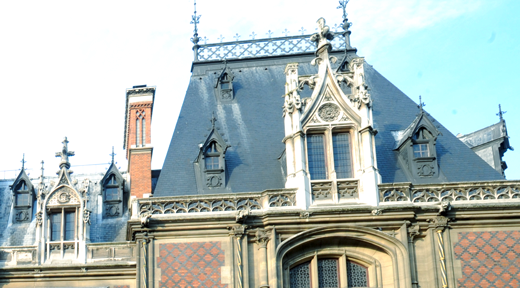
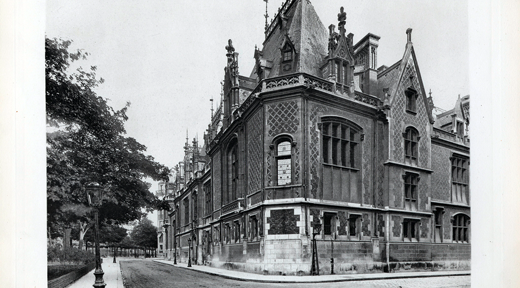
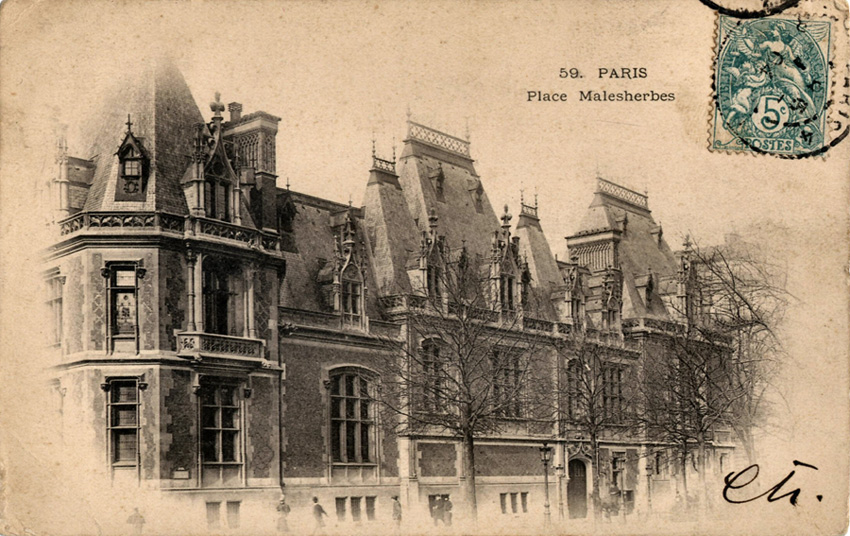
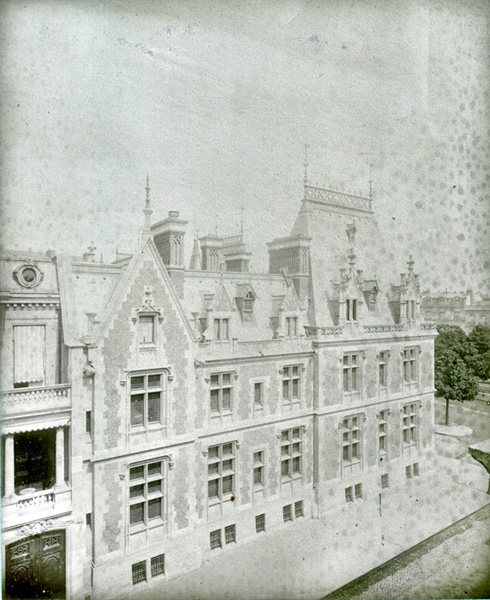
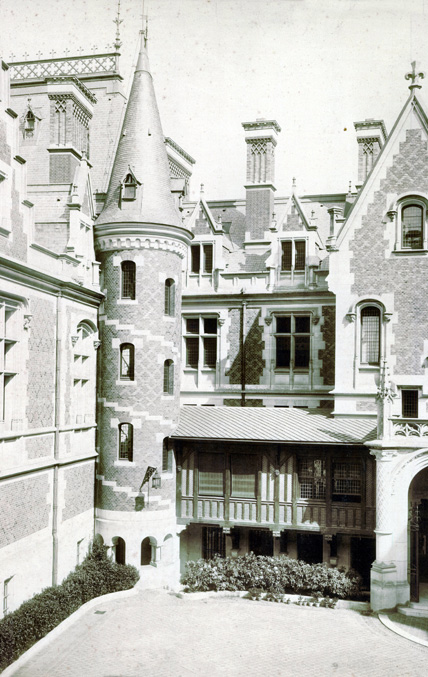
The architectural complex, which is in the neo-Gothic and "eclectic" styles, is unique in Paris. It was classified as “Historic Monument” in 1999. The architects Victor-Jules Février (1842-1937) and Alphonse Defrasse (1860-1939) were responsible for its construction, the first for Émile Gaillard, the second for the Banque de France.
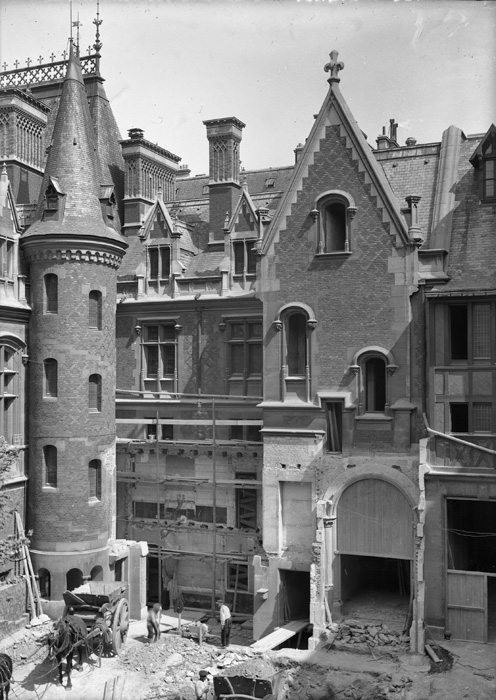
Victor-Jules Février was particularly inspired by the architecture of the Loire Valley Châteaux – by the Louis the 12’s wing of the Château of Blois and the Château of Gien. The fixing of the staircases, the high roofs, the Gothic gable windows and the brick facing testify to this.
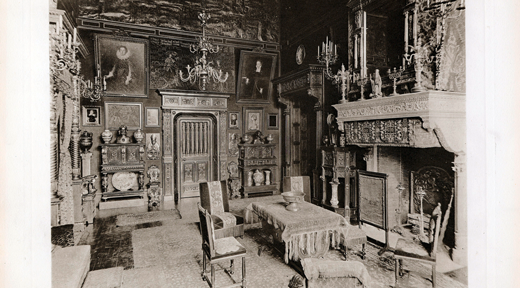
A great collector, Émile Gaillard brought back from his travels in France and Europe not only works of art and furniture but also fireplaces and wood panelling
Completed in 1882, it was inaugurated in 1885 at a costume ball attended by nearly two thousand guests, with Émile Gaillard dressed as Henri II.
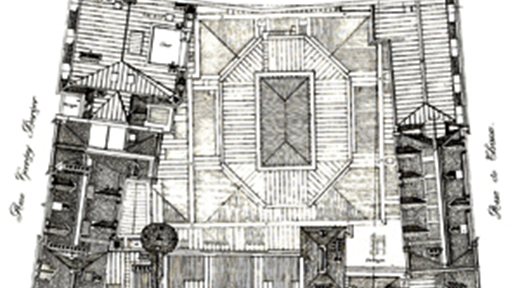
The mansion houses in the rue Berger and the rue Thann were then annexed to the building, these two houses having been built by Émile Gaillard to be rented out.
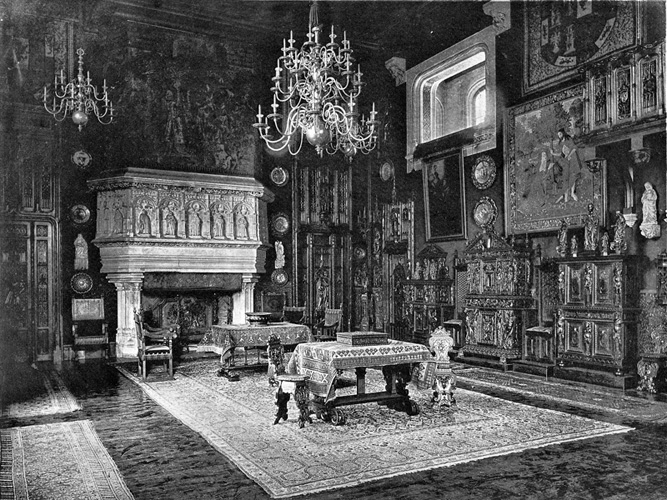
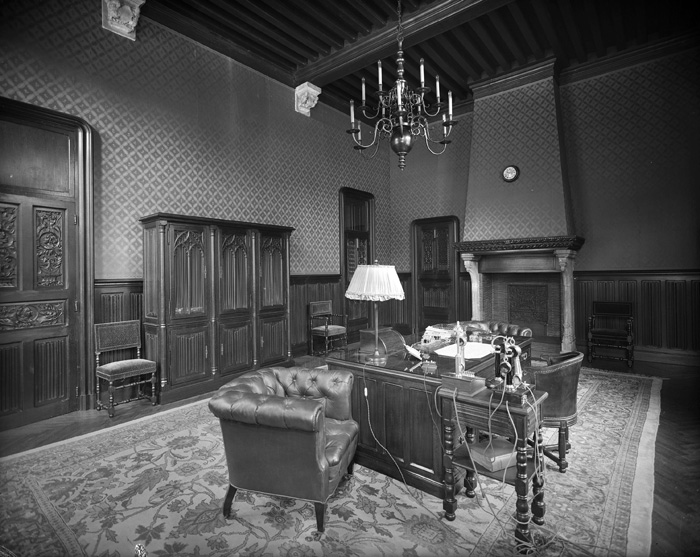
Old documents and the catalogue detailing the sale of Émile Gaillard’s artworks illustrate the richness of the interiors and the works displayed in the mansion. A great collector, Émile Gaillard brought back from his travels in France and Europe not only works of art and furniture but also fireplaces and wood panelling that he incorporated into the decor and ornamentation of the ceremonial rooms. The parts that have been conserved show the freedom with which genuine features and copies were combined at this time. The presence in the building of several sculpture portraits of Émile Gaillard and his architect testify to their complicity and sense of humour.
After the financier’s death in 1902, most of his collection was sold off. The Hôtel Gaillard was put on sale in 1904.
But it was only in 1919 that it was bought by the Banque de France and converted into one of its branches by the architect Alphonse Defrasse and the interior decorator Jean-Henri Jansen. This new branch was opened in 1923.
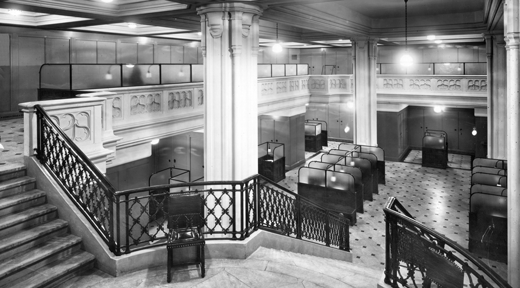
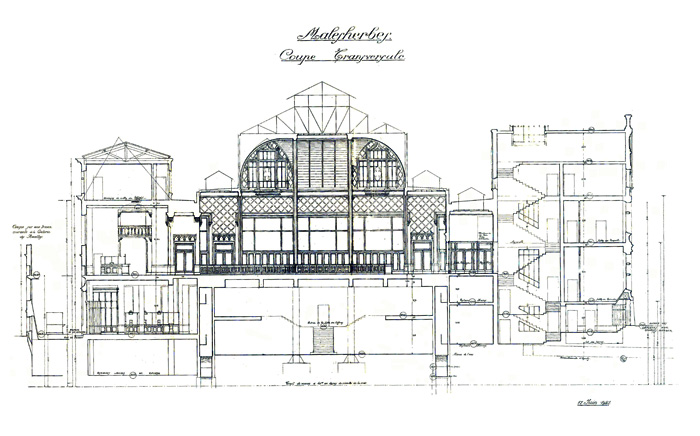
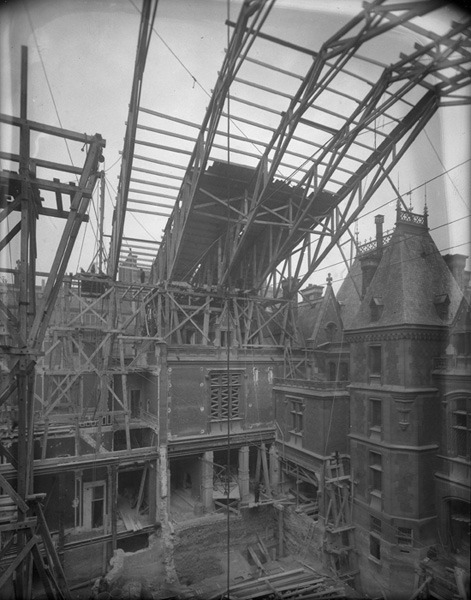
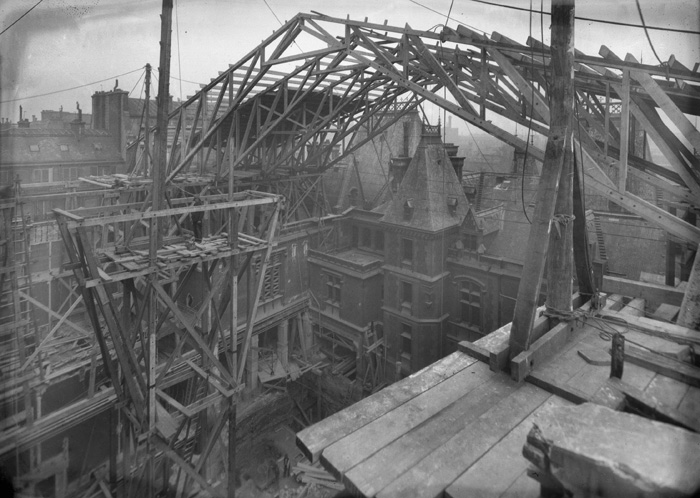
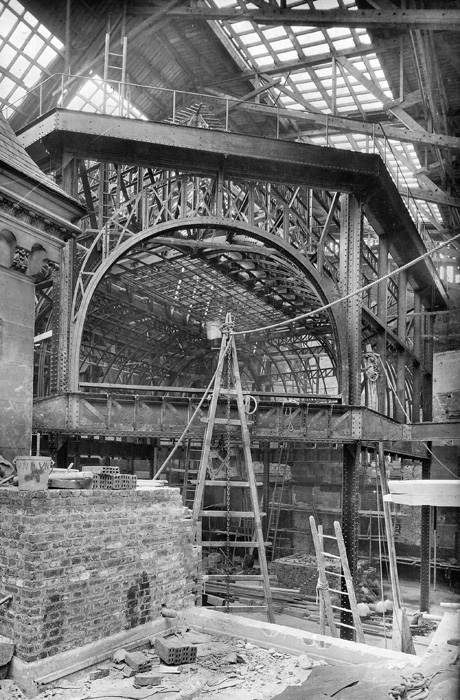
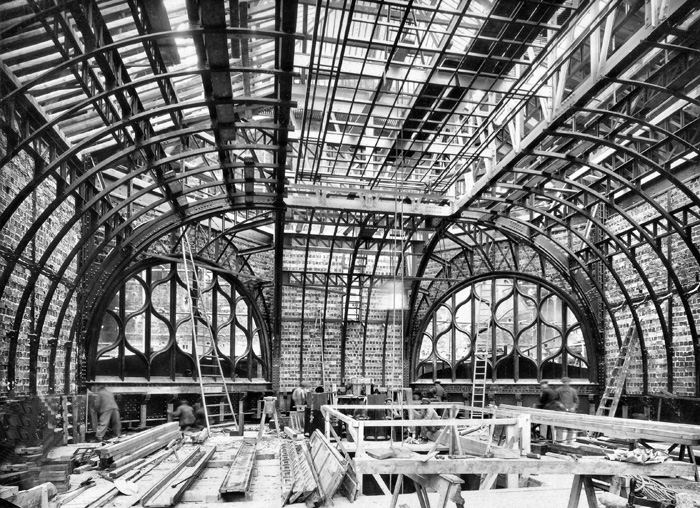
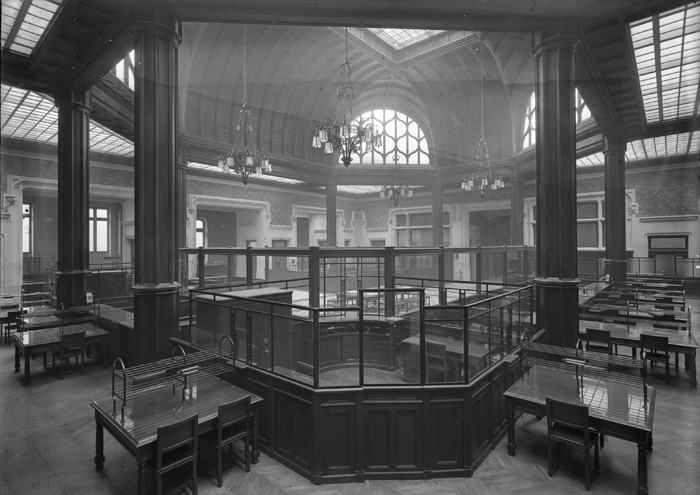
The extensions carried out by the Banque de France consisted in constructing in the courtyard of Émile Gaillard’s mansion houses a large hall for the Banque de France’s customers and a highly secure safe room.
While introducing the "Banque de France style" into the building, Alphonse Defrasse echoed the work of Février, notably in the treatment of the inner wall of the hall and in the decor of the woodwork of the counter, known as "serviettes".
The safe room is on two levels. It is protected by a moat, which to this day is filled with water, and is accessed by a rolling bridge, making this secret place one of the most unusual in Paris.
See on a map : 17th arrondissement of Paris
Get to know more on Wikipedia
Published on 13 January 2011. Updated on 12 September 2019